SpenLC Releases Ranked Drafting Guide
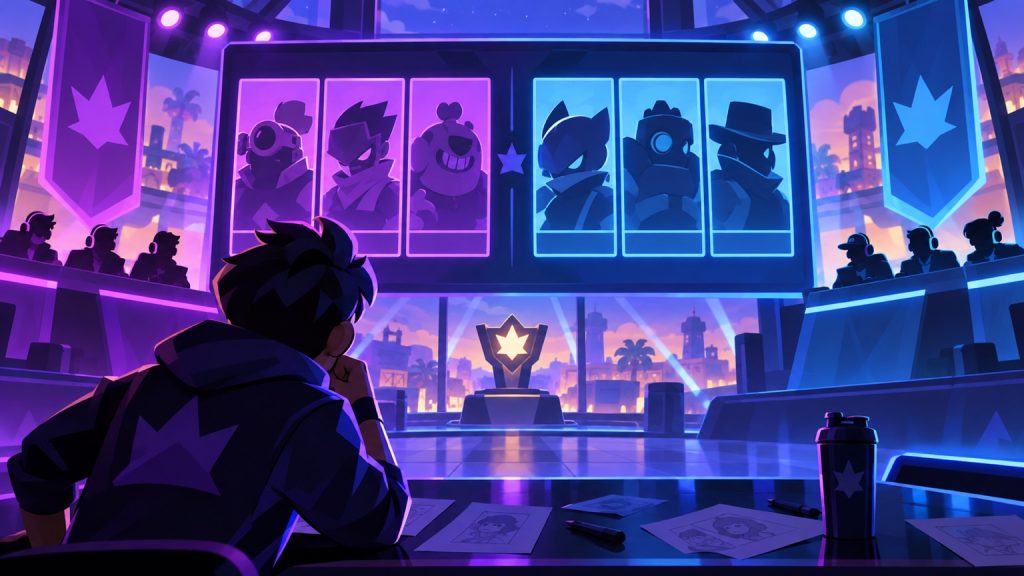
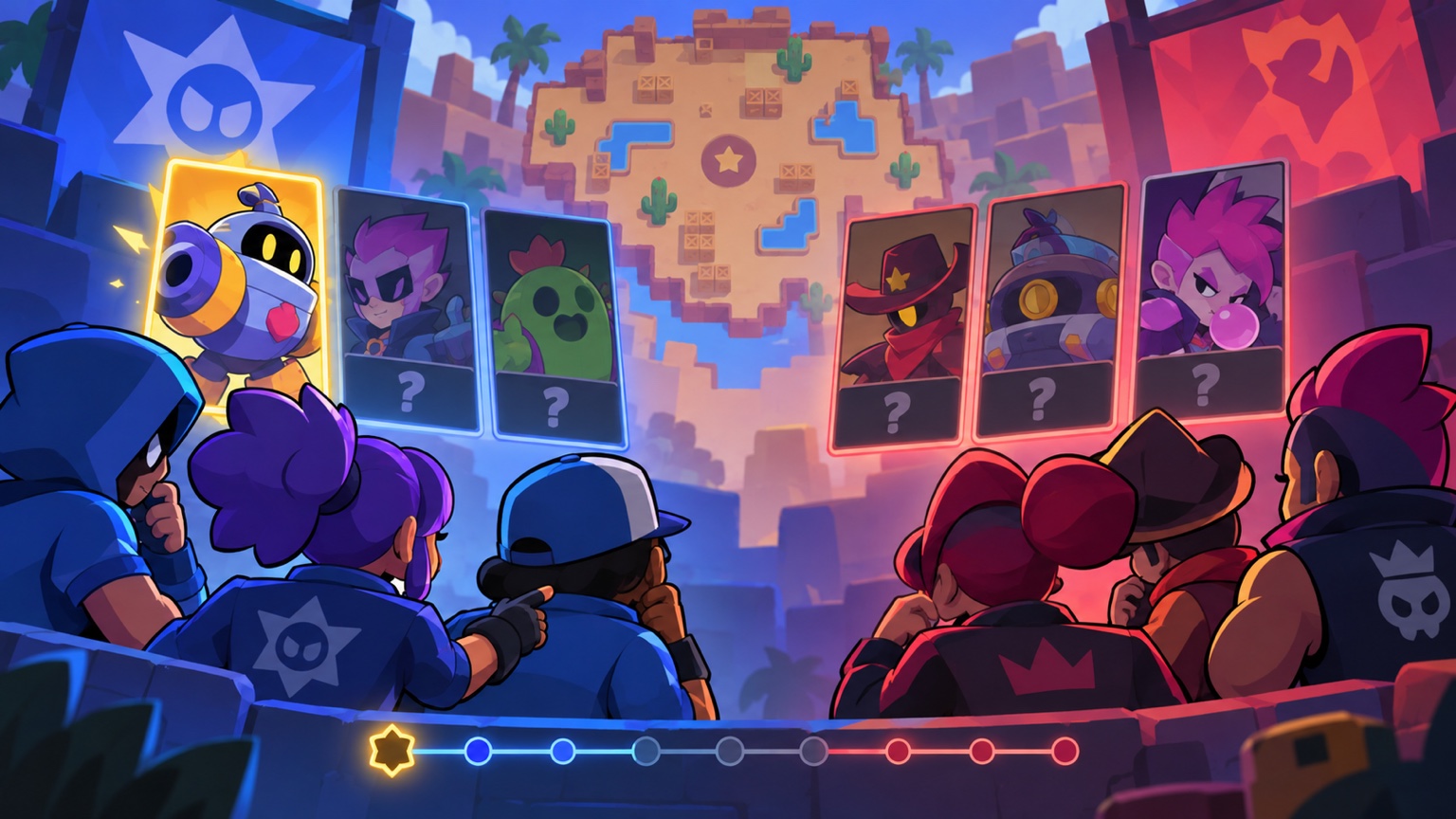
SpenLC published a new Brawl Stars Ranked drafting guide on October 8. The video is organized around the order in which a team chooses brawlers: an opening section, first picks, the middle pair of picks and the final selection. Its chapter structure makes it easier to revisit the moment where a draft went wrong without reducing the discussion to a single “best brawler” answer.
The public description gives a precise route through the guide. After the introduction, the first-pick section begins at 0:48. Picks two and three begin at 5:17, picks four and five at 23:36, and the sixth-pick section at 39:30. Those labels identify the stages SpenLC covers; the description does not publish a ranked list of specific recommended characters.
That boundary matters. A guide to draft order can be useful without providing a universal pick. The right choice in Ranked depends on the map, game mode, available brawlers, bans, the opponent’s visible choices and the roles a team already has. A player who takes one selection out of context may miss why it was appropriate at that point in the sequence.
The new video is separate from SpenLC’s recent upgrade-priority and Claw Machine pieces. Those dealt with account resources and seasonal item value. This release addresses a match decision that unfolds in real time, one pick at a time. It is an especially natural resource for players who know individual brawlers well but lose consistency during the selection screen.
Why draft order changes the question
The first pick has to survive the most unknowns. When little of the opposing composition is visible, a player generally needs to consider whether a brawler is flexible enough for the mode and whether their team can support its weaknesses. That is a general drafting principle, not a character recommendation attributed to SpenLC.
The middle of the draft provides more information. Picks two and three can establish a team’s core, while picks four and five occur after more of both sides’ plans are visible. A balanced composition must still answer the map’s objective. It also needs a way to handle threats already shown across the draft screen. Thinking in terms of roles and open problems is usually clearer than asking whether a favorite character is strong in isolation.
The sixth selection has the most visible information but also the narrowest remaining choice. It may be the moment to answer a gap in the opponent’s lineup, cover an exposed teammate or secure a reliable route to the objective. None of those general options guarantees a win. They give players a useful checklist to apply while watching the video’s last chapter.
A practical review does not require memorizing the entire guide. Save a replay or a screenshot of a draft that felt difficult, then jump to the chapter matching the pick where uncertainty began. Compare the available information at that moment with the information seen later. It is easy to judge an early pick with hindsight that the drafting player did not have.
Players should also separate a content creator’s educational framework from official balance changes. This is a new guide published by SpenLC, not a Supercell patch or a change to Ranked rules. Any specific brawler or map advice should be checked in the video itself and against the live game.
A focused way to use the new video
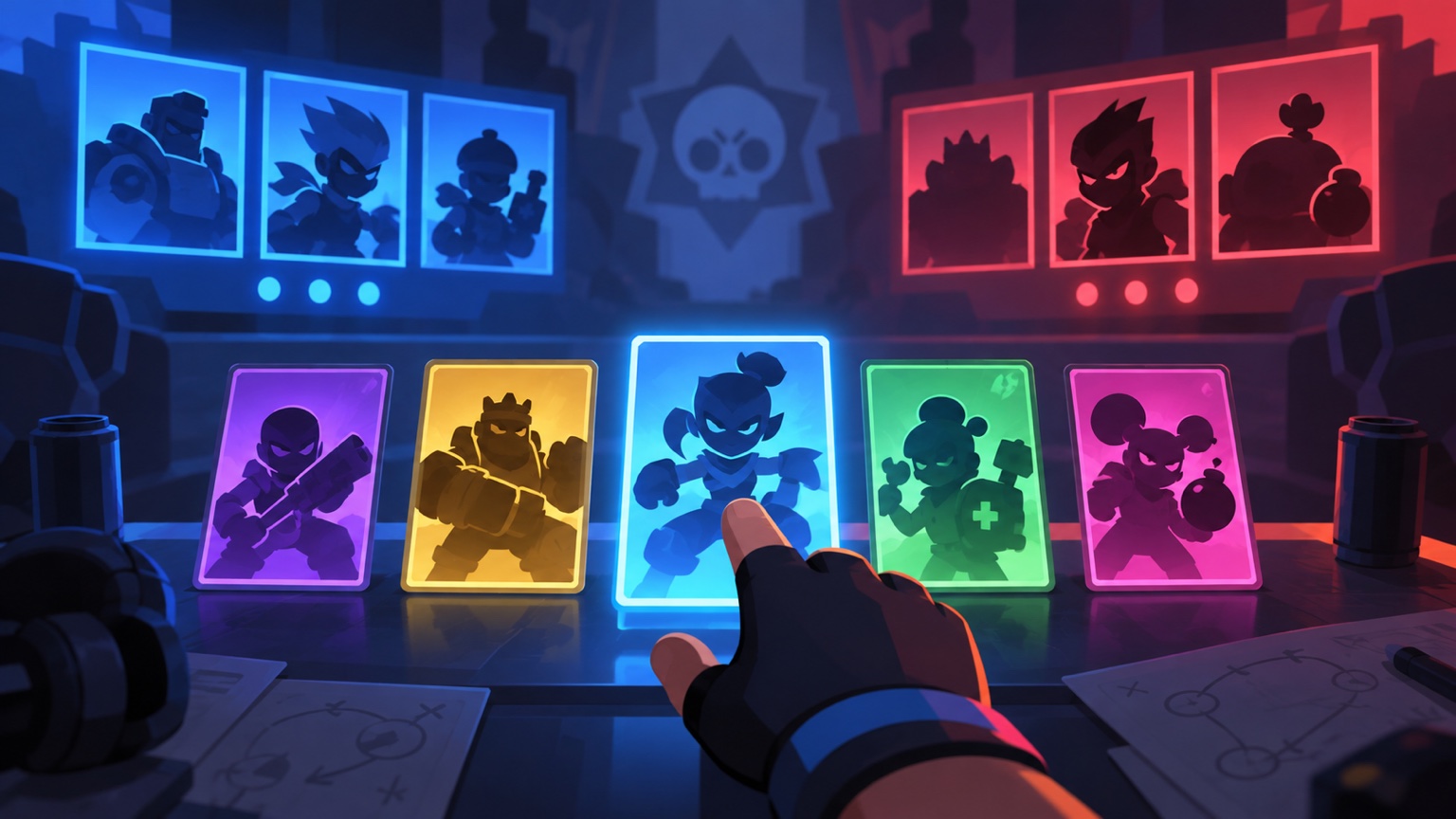
Start by identifying the pick number that caused the most trouble. The chapter markers let a viewer go straight there. Note the map and mode, the remaining alternatives, and which enemy choices were visible. Then ask what role the selection was meant to provide and whether another teammate already filled it.
Use the first-pick chapter for questions about flexibility. Use the middle chapters for team shape and responses to revealed threats. Use the final chapter for cases where the last choice did not solve an obvious weakness. That approach turns a long video into a set of review tools without reducing it to a list to copy blindly.
The description alone does not disclose SpenLC’s exact examples or preferred brawlers. This article therefore reports the release and its accessible structure while offering its own explicitly editorial method for applying the guide. Readers seeking pick-by-pick recommendations should watch the original video.
- Open the chapter that matches the pick where the draft became difficult.
- Review map, mode, visible enemy picks and the role your team still needed.
- Treat any specific brawler advice as something to confirm in the video and live game.
| Video chapter | Start time | Review question |
|---|---|---|
| First picks | 0:48 | Was the opening choice flexible for the map? |
| Picks 2 and 3 | 5:17 | Did the team gain a workable core? |
| Picks 4 and 5 | 23:36 | Was the visible opponent plan answered? |
| Sixth pick | 39:30 | Did the last slot cover a remaining gap? |
SpenLC’s October 8 guide is timely because drafting mistakes often happen before a match begins, yet players tend to remember only the final score. The chapter list follows the actual sequence of Ranked selections, giving viewers a direct path to the decision they want to review. The accessible description names the stages and timestamps but not specific recommended brawlers, so a responsible summary should stop short of inventing them. Players can still extract practical value by checking what was known at each pick, whether their composition had a coherent role balance and whether the final selection answered the opponent’s visible threats. That is an editorial review method to use alongside the video, not a substitute for SpenLC’s full explanation.