KUMALAZAWESTA and NAVI Split Scrim 5-5

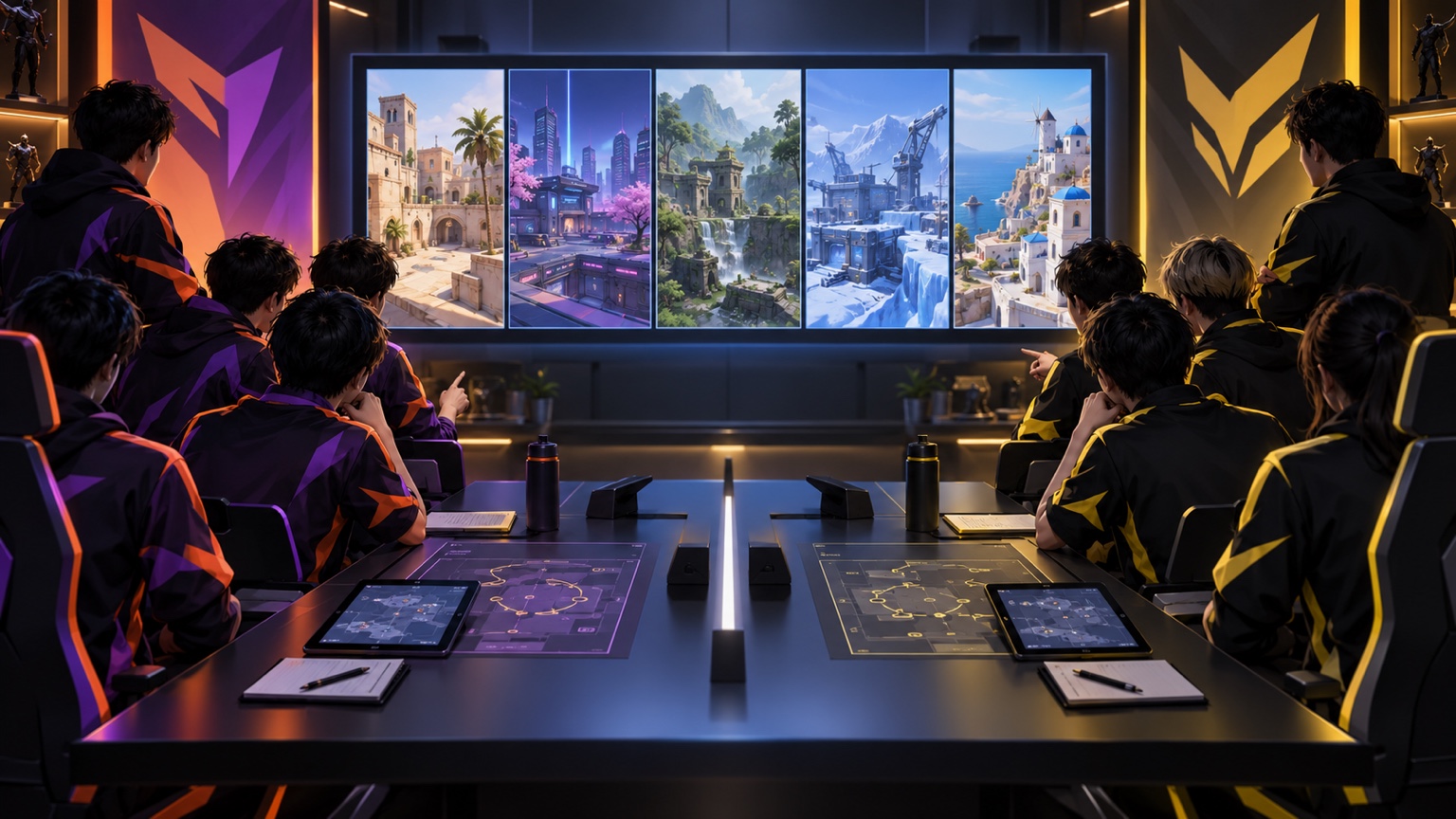
KUMALAZAWESTA and NAVI are level at 5-5 in a Brawlytics practice snapshot dated October 2. The tie is balanced in two different ways: each team holds one outright mode edge, and the remaining three rows finish level. That structure gives the aggregate more detail than a simple even score.
Gem Grab opens at 1-1. KUMALAZAWESTA then takes Knockout 2-1, creating a one-point edge. NAVI answers in Brawl Ball with a 1-0 row, returning the session to level. Bounty and Hot Zone both finish 1-1. Adding the five rows produces 5 points for each side.
This exact pairing and score are new inside the seven-day archive. NAVI has appeared against other opponents, but the KUMALAZAWESTA session supplies a separate event, date and mode distribution. Completion remains unconfirmed, and the card represents scrim activity, not an official tournament match.
Opposite mode wins cancel each other out
KUMALAZAWESTA’s Knockout edge and NAVI’s Brawl Ball edge each contribute one point of net separation in opposite directions. The three tied modes preserve the resulting 5-5 balance. Neither team can claim an overall lead from the visible card, yet both own a concrete mode advantage.
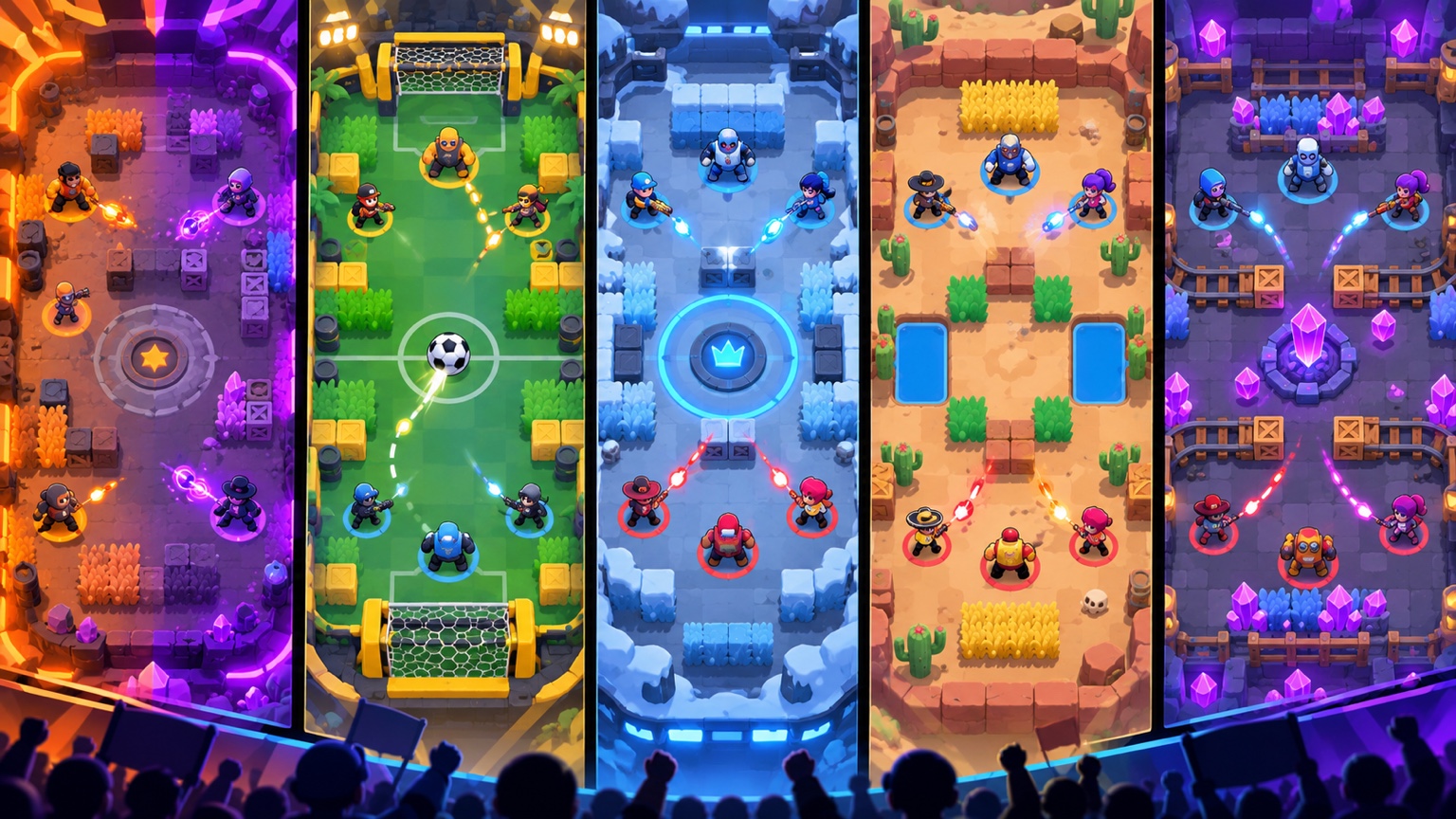
Knockout and Brawl Ball reward different forms of control. Knockout emphasizes survival across limited lives, while Brawl Ball requires space creation and conversion around the goal. The score card identifies which side led each mode. Drafts, maps and individual decisions sit outside the public data and belong in replay review.
The three even rows are equally important. Gem Grab, Bounty and Hot Zone account for six shared points and show sustained balance across resource control, elimination and zone occupation. A future rematch can move the aggregate through any one of those tied environments even if the existing outright mode edges remain.
For KUMALAZAWESTA, Knockout is the clearest positive reference. For NAVI, Brawl Ball fills that role. Both teams can compare their tied-mode decisions with the mode where they created separation, looking for changes in tempo, positioning or closing discipline. The comparison is a review framework, not a causal claim from the score alone.
Why the tie is a useful baseline
A level aggregate creates a clean checkpoint for later practice. Improvement can appear as converting one 1-1 row, widening an existing edge or removing the opponent’s only outright mode win. Those smaller changes are more informative than waiting for a dramatic total.
Readers should keep the date, order and practice label with the score. The accurate statement is a 5-5 snapshot across five named modes, with completion unconfirmed. If more games appear later, this version remains the dated state captured on October 2.
- KUMALAZAWESTA leads Knockout 2-1.
- NAVI leads Brawl Ball 1-0.
- Gem Grab, Bounty and Hot Zone are all tied 1-1.
| Mode | KUMALAZAWESTA | NAVI |
|---|---|---|
| Gem Grab | 1 | 1 |
| Knockout | 2 | 1 |
| Brawl Ball | 0 | 1 |
| Bounty | 1 | 1 |
| Hot Zone | 1 | 1 |
The 5-5 result between KUMALAZAWESTA and NAVI is a genuinely balanced practice card. One side creates separation in Knockout, the other answers in Brawl Ball, and three additional modes remain level. That distribution gives each team both a strength and a set of unresolved objectives. KUMALAZAWESTA can retest its Knockout process, NAVI can protect its Brawl Ball edge, and both can target the tied rows for the next incremental gain. Completion is unconfirmed and the session is practice, which keeps the conclusion appropriately narrow. As a dated baseline, however, the card is unusually clear: five modes, opposite one-point advantages and an aggregate that returns exactly to level. For the next review, both staffs can tag the opening control, first lost position and closing sequence in each tied mode. Converting even one of those shared rows would immediately break the current balance and reveal where the most useful progress occurred. The detailed mode list makes that change easy to identify and prevents a new aggregate from hiding which objective actually moved.