TH Leads SK 6-3 in October 1 Scrim
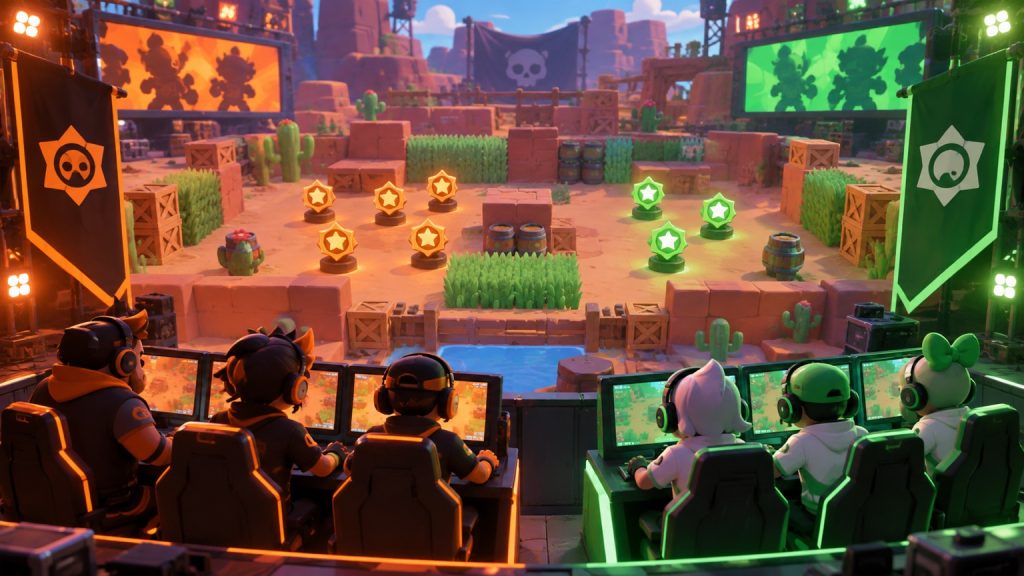
TH leads SK 6-3 in a Brawlytics practice snapshot dated October 1. The nine displayed points are spread across five named modes, with TH building the difference through two clean 2-0 rows. SK answers in Gem Grab, while Hot Zone and Brawl Ball are level.
Heist gives TH the first major advantage at 2-0. Hot Zone follows at 1-1, so both teams add one point. TH then adds another 2-0 in Knockout before Brawl Ball finishes 1-1. SK closes the visible card with a 1-0 Gem Grab row. Adding those values reproduces the 6-3 total shown by Brawlytics.
The pairing is new inside the site’s seven-day archive. Recent TH coverage involved FUT, NOVO and NAVI, not SK. That makes the October 1 card a separate opponent and mode distribution even though TH has appeared in other practice reports. The result remains a scrim snapshot with completion unconfirmed.
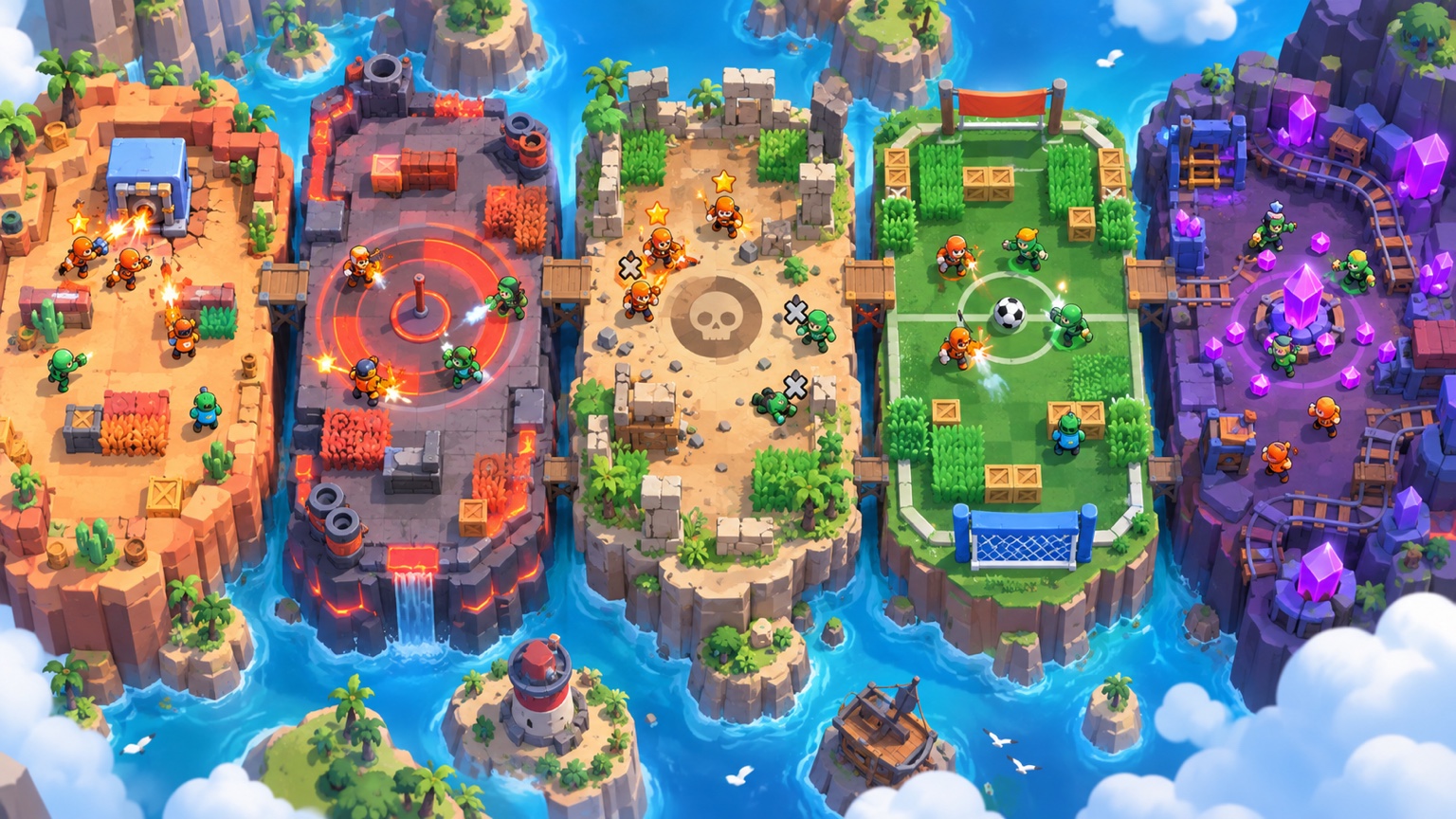
Heist and Knockout create the full margin
TH collects four points and concedes none across Heist and Knockout. Those two rows produce a net advantage of four. The rest of the card moves one point back toward SK: Hot Zone and Brawl Ball contribute one point to each team, while Gem Grab gives SK the only outright mode lead.
The three-point aggregate gap is smaller than the combined clean rows. TH’s 4-0 advantage in its two strongest modes is partially offset by SK’s 1-0 Gem Grab result. The tied modes preserve the difference without expanding it. This separation is important because an aggregate-only headline can hide the fact that three of the five mode rows were either tied or led by SK.
For TH, the visible strength is consistency across two very different objectives. Heist rewards pressure on a fixed safe, whereas Knockout is built around limited lives. A clean row in each gives the team two useful review points. No draft or player-level explanation is available from the score card alone, so the analysis should stop at the mode result.
SK’s positive row comes at the end of the listed order. The Gem Grab edge prevents a clean sweep of mode leads and supplies a specific area to retain. The 1-1 rows also matter: SK stayed level in Hot Zone and Brawl Ball even while the aggregate moved against it elsewhere.
How to use the practice snapshot
Scrim scores are best treated as dated training evidence. TH can review what made Heist and Knockout productive, then examine why Gem Grab moved the other way. SK can preserve the even Hot Zone and Brawl Ball results while focusing review on the two 0-2 rows.
If the card later gains additional games, the current 6-3 line is the baseline for comparison and is not a final tournament score. A new row may expand, reduce or erase the gap. Until then, the accurate description is a three-point TH lead across the five displayed modes, with completion unconfirmed. Readers should preserve the date and practice label whenever they cite the result, since both details prevent it from being confused with an official bracket match.
- TH leads Heist and Knockout by identical 2-0 scores.
- Hot Zone and Brawl Ball are tied 1-1.
- SK owns the Gem Grab row 1-0, while the displayed aggregate remains 6-3.
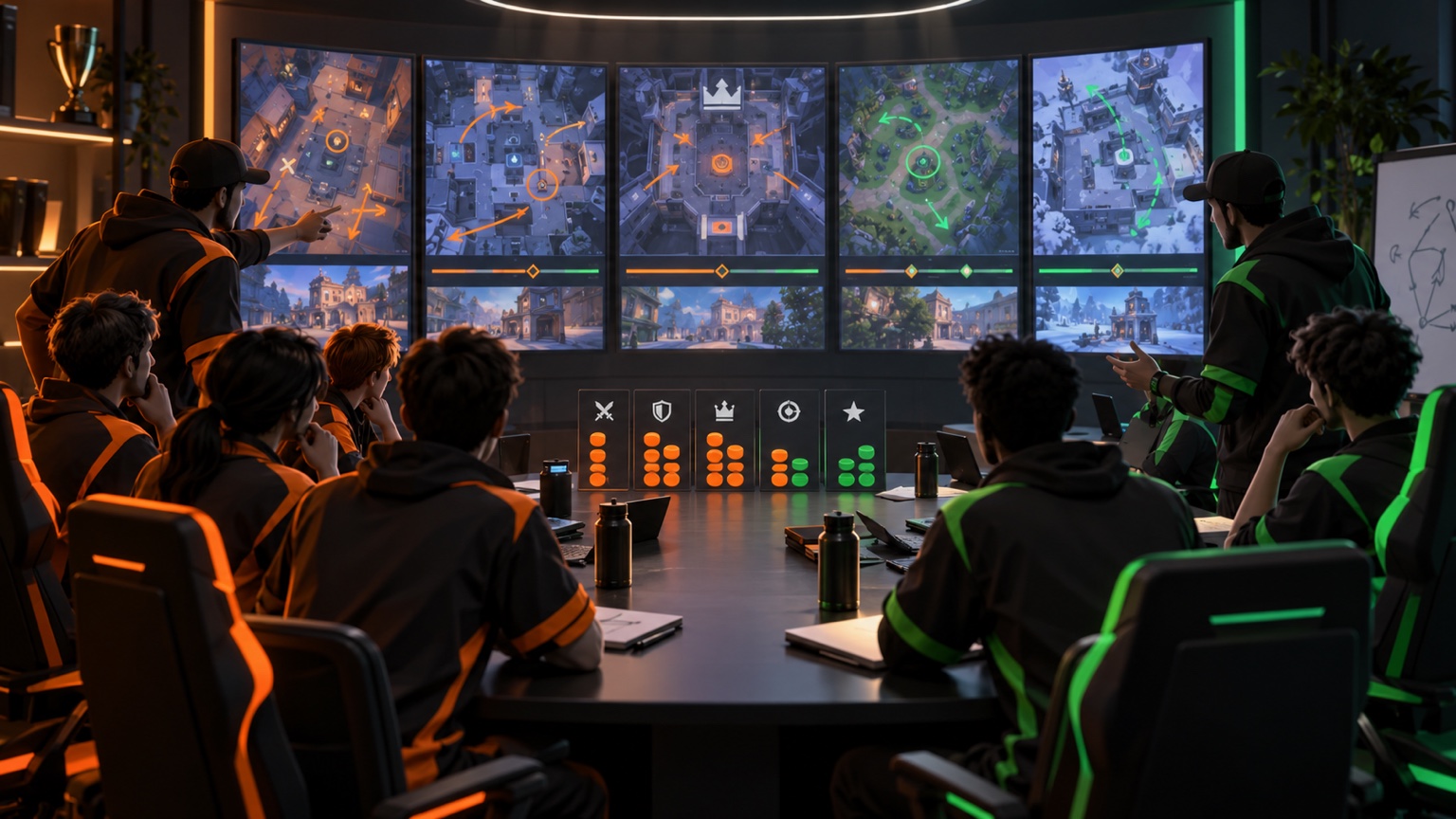
| Mode | TH | SK |
|---|---|---|
| Heist | 2 | 0 |
| Hot Zone | 1 | 1 |
| Knockout | 2 | 0 |
| Brawl Ball | 1 | 1 |
| Gem Grab | 0 | 1 |
TH’s 6-3 lead over SK is concentrated in two modes. Heist and Knockout supply two clean 2-0 rows and create the decisive separation. Hot Zone and Brawl Ball are even, while SK takes Gem Grab 1-0. That mode-by-mode picture is more useful than the aggregate alone because it identifies exactly where the advantage appeared and where it did not. The October 1 entry is also a new direct pairing in the seven-day archive, distinct from TH’s recent practice cards against FUT, NOVO and NAVI. As with every scrim report, the limits are important: the card is practice data, completion is unconfirmed and no official championship result follows from it. Used correctly, it gives both teams a compact review map. TH has two clean strengths to test again, SK has one outright mode win to preserve, and the tied rows show that the session was more competitive than a quick reading of 6-3 might suggest. A future meeting can be measured against this exact five-row baseline, keeping each objective separate instead of compressing every improvement into one total.