
TH Leads KUMALAZAWESTA 6-2 in Scrim

TH leads KUMALAZAWESTA 6-2 in a practice snapshot dated October 6. The gap is concentrated in two modes: TH takes Knockout and Hot Zone 2-0, while Brawl Ball and Heist finish level at 1-1. The public card does not confirm that the scrim is complete.
The four listed rows are enough to reconstruct the displayed total. Knockout contributes two points to TH, Hot Zone adds two more, and the two tied modes each provide one point to both teams. That produces six for TH and two for KUMALAZAWESTA without inventing a missing round or assuming a larger series.
The structure matters more than the aggregate alone. TH’s lead is a pair of clean mode advantages. KUMALAZAWESTA has not lost every part of the card; it remained level in Brawl Ball and Heist. Those tied rows give the trailing side a base to preserve, while the two 2-0 rows identify where the most work lies.
Brawlytics labels these results as scrim data. The snapshot is a practice reference, with completion unconfirmed. It should not be placed into tournament standings or described as a qualification result. Its useful role is narrower: a map of which modes produced the gap on the recorded date.
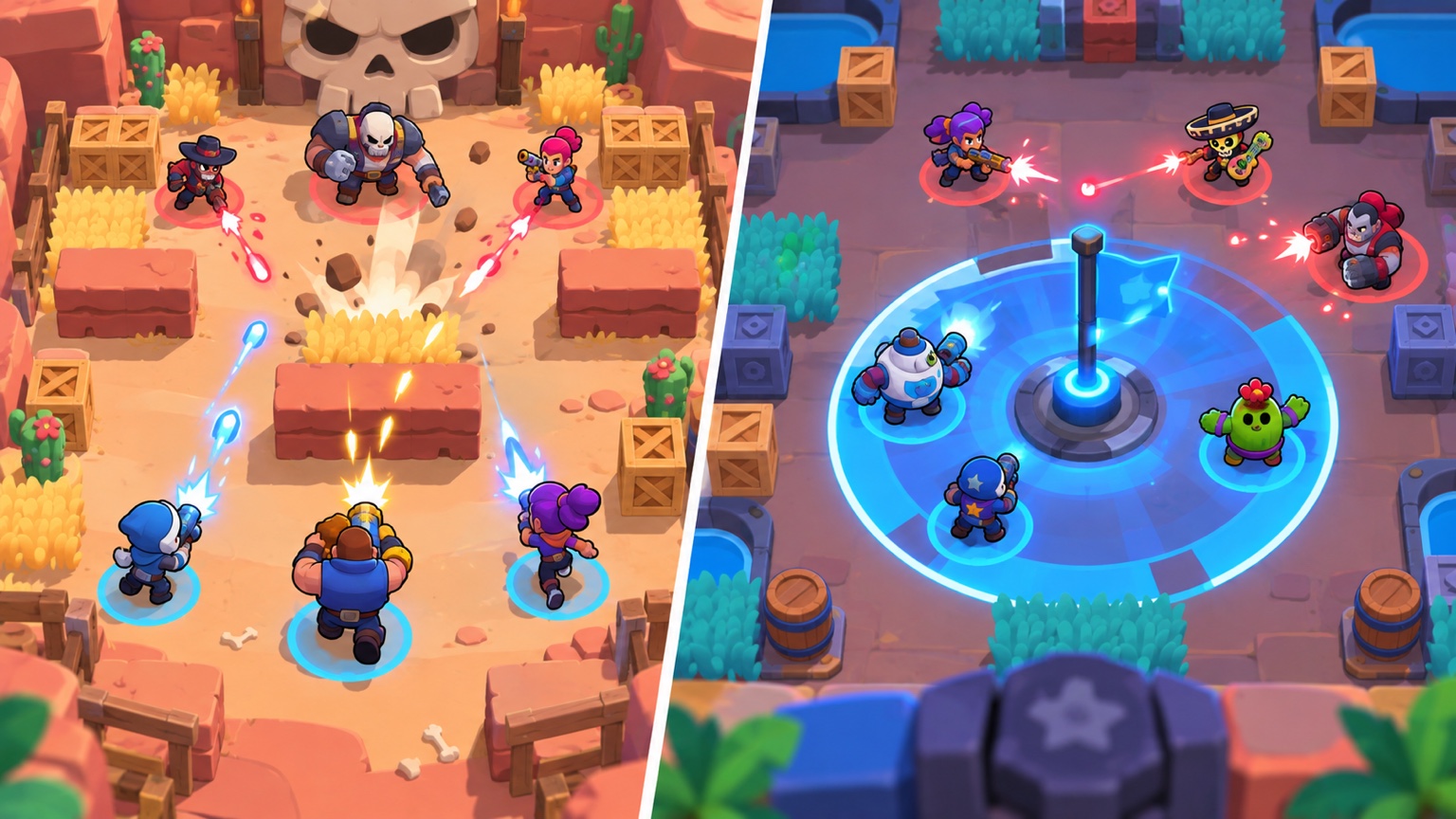
TH separates in control and elimination
Knockout and Hot Zone demand different decisions. One rewards survival and clean elimination rounds; the other asks teams to convert space into zone time. Seeing TH ahead in both suggests that its displayed practice advantage was broader than a single objective type. The scores do not identify why TH won those rows, so replay review is still needed before crediting a specific draft or player.
For KUMALAZAWESTA, the review priority is equally clear. A small improvement in Brawl Ball or Heist could break a tie, but it would not erase both 2-0 deficits by itself. The larger recovery route runs through the mode openings and closing decisions in Knockout and Hot Zone. Coaches can compare those replays with the tied rows to locate where their team held ground and where control was lost.
TH should also avoid reading the lead as universal strength. The even Brawl Ball and Heist rows show that the source does not support a clean sweep. Preserving the winning patterns in the two decisive modes while finding an edge in a tied mode is a more precise next goal.
This pairing is separate from recent archive reports involving TH against SK or NAVI and KUMALAZAWESTA against other opponents. A team name recurring in the news does not make the event a repeat. Here the opponent, date, total and four-row distribution all identify a distinct practice session.
The next meeting, if recorded, should be compared mode by mode. A narrower gap could result from one converted Knockout round, an improved Hot Zone row or a shift in either tied mode. Keeping the table intact makes that change visible.
A useful review sequence
Begin with the two clean TH modes. Record the first advantage, how it was converted and whether the same choice appears in both. Then review Brawl Ball and Heist, where neither side separated on the public card. The score will not replace the replays, but it gives analysts a focused route into them.
If Brawlytics later extends or corrects the card, the figures should be updated with a timestamp. The current article describes the displayed October 6 snapshot and no more.
- TH takes the displayed Knockout and Hot Zone rows 2-0.
- Brawl Ball and Heist each finish 1-1 on the card.
- Use the result for practice review while completion remains unconfirmed.

| Mode | TH | KUMALAZAWESTA |
|---|---|---|
| Knockout | 2 | 0 |
| Hot Zone | 2 | 0 |
| Brawl Ball | 1 | 1 |
| Heist | 1 | 1 |
TH’s 6-2 practice lead comes from a clear two-mode split. The team posts 2-0 in Knockout and Hot Zone, while Brawl Ball and Heist remain 1-1. That makes the next review concrete for both sides. TH can study whether the two decisive modes share a repeatable preparation strength. KUMALAZAWESTA can preserve its competitive rows and target the openings that led to the larger deficits. The public card does not reveal maps, drafts or player decisions, and its completion status is unconfirmed. Those limits should remain attached to the score. Within them, the four-row record is a useful new baseline for a distinct October 6 pairing.