SpenLC Ranks Every Claw Machine
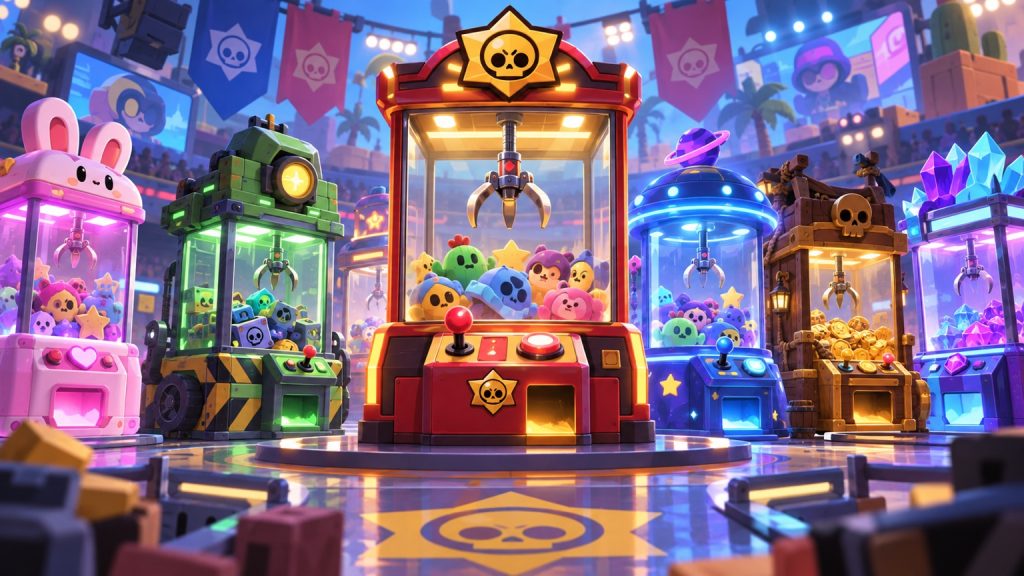
SpenLC has published a complete worst-to-best ranking of the current Claw Machines in Brawl Stars. The October 1 video is useful because it treats the options as a single comparison. Its status matters, however: this is an experienced competitive creator’s ranking, not an official Supercell tier list.
A ranking can make a complicated choice easier, but the order should be understood as a judgment built from a particular patch, play style and set of match conditions. The video title confirms the full scope and the worst-to-best format. The complete ordered list appears inside the video, so individual placements should be checked there directly.
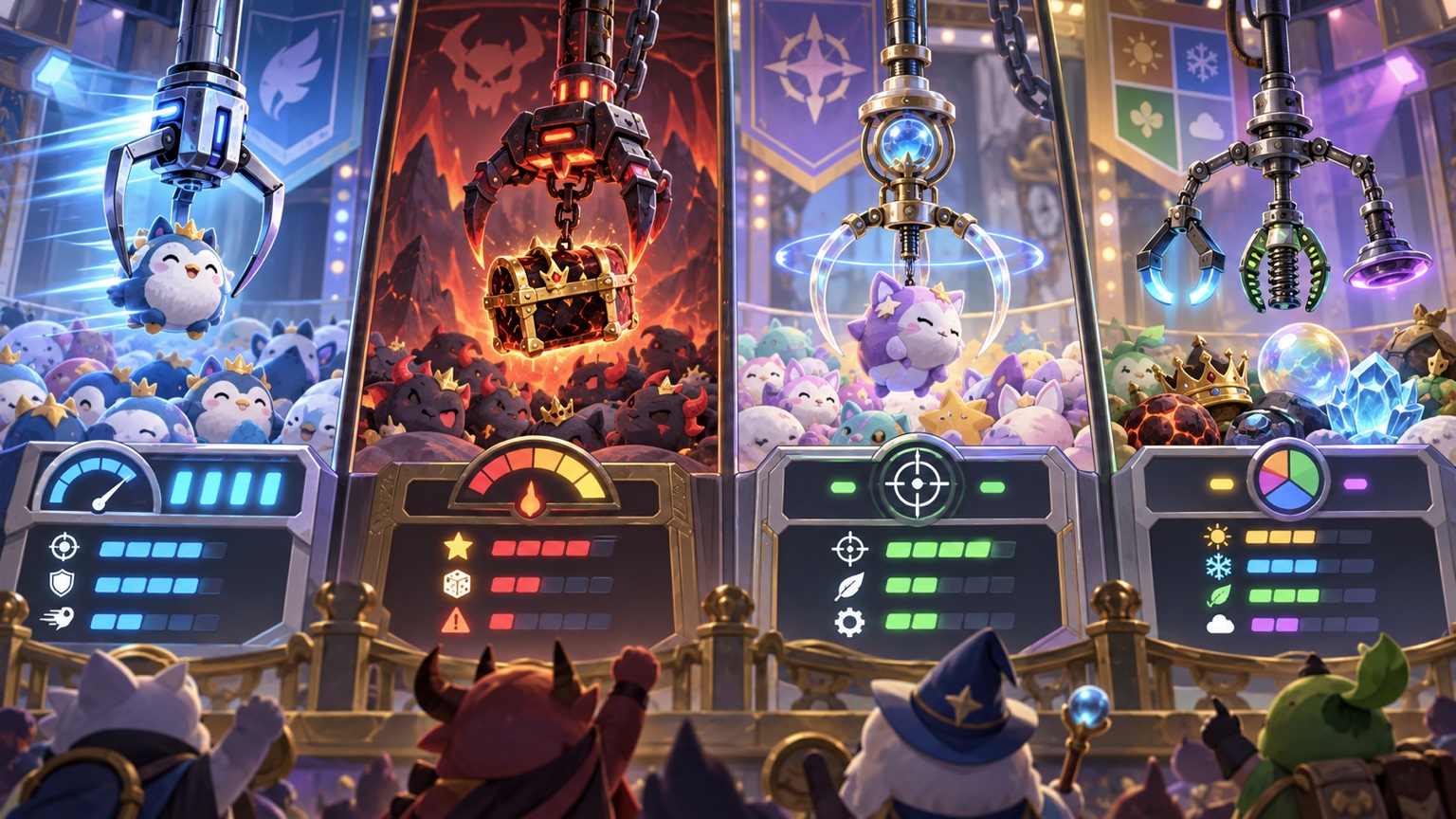
The most useful way to watch is to note the reason attached to each position. A Claw Machine can rank highly because it is reliable, easy to activate or broadly useful. Another can have a spectacular ceiling but require a rare setup. Those are different kinds of strength, and a single numbered order can hide that distinction unless the viewer records the creator’s criteria.
A tier position needs a reason behind it
Consistency is usually the first question. An option that produces value in ordinary fights is easier to build around than one that needs perfect timing. Control and recovery matter as well: a strong effect loses practical value when using it leaves the player exposed or when opponents can move away before the payoff arrives.
Map dependence is the next filter. Tight lanes, walls and fixed objectives can improve effects that restrict movement, while open maps reward range and safe activation. Team composition changes the calculation again. A coordinated group may protect a slower setup, whereas solo queue favors choices that create value without a teammate immediately following the play.
Patch timing should remain visible in any notes taken from the video. A worst-to-best list is a snapshot of the build the creator played. Later balance changes, bug fixes or rotation adjustments can move an option without changing the quality of the original analysis. Recording the upload date prevents an old order from being treated as permanent advice.
Personal execution is also part of the result. The best theoretical option may not be the best first choice for someone who cannot activate it consistently. A slightly lower-ranked machine can provide more wins if its timing fits the player’s habits. The creator order is therefore a starting point for testing, not a substitute for testing.
How to use the ranking without copying it blindly
Watch the full explanation for each placement and write down the claimed strength, the condition required and the main drawback. Then test a small group on the same map type. Repeating comparable situations makes it possible to see whether the advantage comes from the machine itself or from an unrelated matchup.
The ranking becomes most useful when converted into categories. Keep a dependable default, an option for narrow or objective-heavy maps and a situational choice that answers a specific opponent. This preserves the creator’s insight while leaving room for the player’s own execution and for future updates.
- Check the exact placement and explanation inside the video instead of relying on a thumbnail.
- Separate reliable general-purpose value from a high ceiling that requires a narrow setup.
- Retest preferred choices after a balance change or when the map type changes.

| Evaluation lens | Question to ask |
|---|---|
| Consistency | Does the effect produce value in ordinary fights? |
| Safety | Can it be used without giving the opponent an easy punish? |
| Map fit | Does the layout make activation or control easier? |
| Team fit | Does the choice need immediate support from an ally? |
The new SpenLC upload gives players a timely, complete comparison of the Claw Machine pool. Its value comes from the reasoning behind the order, not from treating the order as an official rule. Competitive rankings compress many variables into one sequence: consistency, activation risk, map geometry, team support and the creator’s own execution. A careful viewer can unpack those variables and build a more durable decision process. Verify every exact placement in the video, retain the upload date and test the most relevant options under comparable conditions. That produces a practical shortlist, not a copied tier list. It also makes the advice easier to update: when the live build changes, the player can revisit the underlying criteria and make a current decision.