Brawl Stars Has No Concrete Story Mode Plan
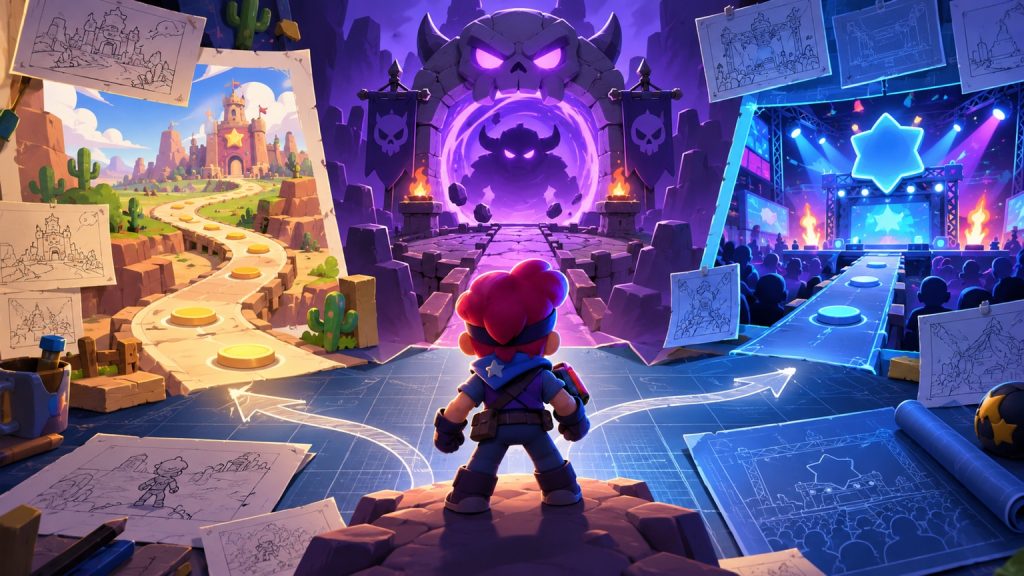
Brawl Stars is interested in telling more stories, but a traditional Story Mode has no concrete plan. During the October 4 Time to Explain episode, the developers asked players to define what the phrase means to them. The answer can range from a linear character journey to repeatable PVE, and those formats place very different demands on a live game.
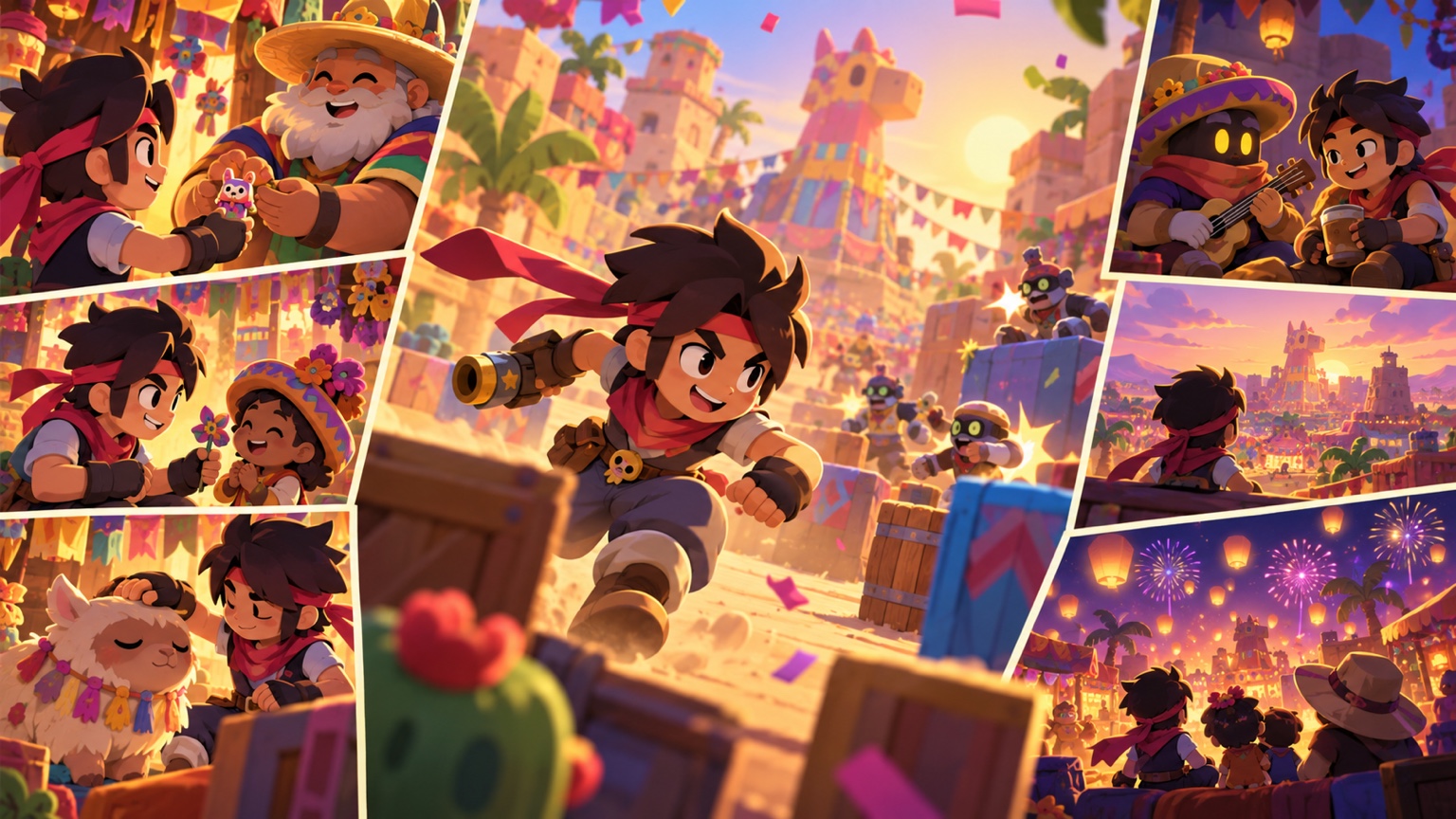
The familiar version would follow a character through NPC encounters and PVE battles while revealing more about that brawler. The team sees a production problem in that structure. A large amount of bespoke content could be completed in a single day, leaving a poor relationship between development effort and the time players spend with it.
Replayable boss fights offer a different equation. Once the framework exists, an encounter can support repeated runs and may return with a twist or a changed reward. The developers say players respond well to this kind of PVE. It gives the team a way to invest in content that can remain useful across more than one brief playthrough.
The answer is therefore wider than a yes-or-no response. Interactive storytelling can continue through events, character exchanges and experimental formats. A console-style role-playing campaign is described as an unlikely direction, while smaller forms can carry lore without demanding an entire parallel game.
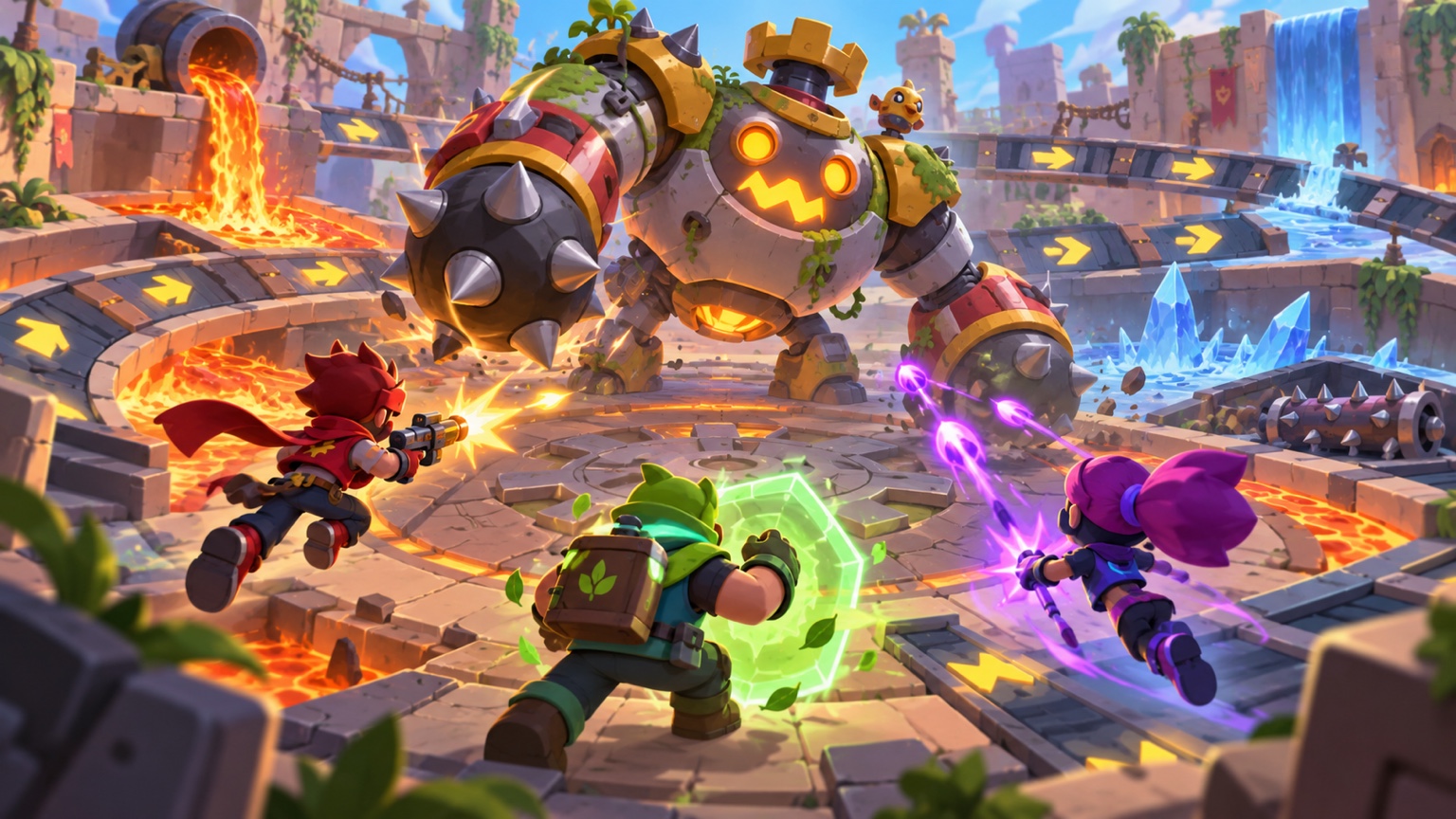
Storytelling and PVE solve different problems
A linear campaign connects scenes, characters and progression into one authored journey. Its strength is continuity. Its challenge inside Brawl Stars is consumption: players can move through the complete sequence faster than the team can produce another one.
PVE encounters begin with play. A boss framework can be reused, adjusted and offered again, giving the same development investment a longer life. Event storytelling begins with a shared moment. Dialogue, skins, themed objectives and character interactions can develop the world around gameplay that already belongs to the live cycle.
The developers described previous interactive experiments as steps in that exploration. Their comments support more storytelling, especially when the format fits repeat play or an event. A standalone campaign remains a community idea in this discussion. That boundary protects players from turning a design conversation into a release promise.
The community question now becomes more specific. A request for “Story Mode” can mean lore, solo progression, cooperative PVE, character origins or a chain of missions. Naming the desired experience gives the team better feedback than the broad label alone.
Players who mainly want character history may be satisfied by compact event scenes. Players who want a lasting challenge are asking for repeatable systems. Those audiences can overlap, yet the content plan for each request is different. The official discussion invites that distinction and makes it part of the feedback process.
How to read future story announcements
When a themed event is revealed, check whether it adds interactive character material, a reusable encounter or both. That will show which part of the wider Story Mode request the team is addressing. A small story experiment can be valuable without becoming a full campaign.
The safest expectation is continued exploration. The team sees potential in interactive storytelling and repeatable PVE, and it wants players to describe the version they care about. A traditional linear RPG should wait for an explicit announcement before it enters anyone’s release calendar.
- Describe the desired experience precisely: lore scenes, solo progression, cooperative PVE or repeatable bosses.
- Evaluate event stories by the character information and interaction they actually deliver.
- Keep a traditional campaign outside release expectations until the team presents a concrete plan.
| Format discussed | Development consideration |
|---|---|
| Linear character journey | Large content investment with rapid consumption |
| Repeatable boss fight | Framework can support repeated play and future variations |
| Interactive event story | Can develop characters inside the live game |
| Console-style RPG | Probably not the current direction |
The October 4 answer narrows the Story Mode conversation without closing the door on Brawl Stars lore. The developers see a traditional linear campaign as expensive content that players may finish very quickly. Repeatable PVE and event-based storytelling fit the live game more naturally because an encounter or framework can remain useful across several sessions. That makes the wording of community feedback important. Players asking for character history, cooperative combat and long solo progression are describing separate products even when they use the same label. The team has invited those definitions and continues to explore interactive ways of telling stories. What it has not presented is a concrete standalone campaign. Future announcements should be judged by the format they actually introduce, giving smaller experiments room to succeed without turning them into evidence of a full RPG roadmap.